Girdhari Lal Suthar

Girdhari Lal Suthar is an experienced English teacher and education content creator in India, specialising in English Grammar and English Literature for competitive and academic exams. With over 8 years of teaching experience, he has guided aspirants preparing for RPSC, SSC, school teaching exams, and college-level English courses. He holds an M.A. in English Literature and is the founder of Gyankundli, an educational platform that offers clear explanations, exam-oriented notes, MCQs, quizzes, and literary analysis in simple Indian English. His content is designed to help students and teachers master grammar rules, literary concepts, and exam strategies with ease.

Pronouns in English grammar: Types, Rules and Examples

Pronouns in English Grammar: Types, Rules and Examples

Pronouns in English Grammar : Without pronouns, ordinary sentences would sound repetitive and awkward. Compare “Asha gave Asha’s notebook to Asha’s teacher” with “Asha gave her notebook to her teacher.” English pronouns are vital parts of speech that replace nouns or point to people, things, places, and ideas. They make speech and writing smoother, but

Pronouns in English Grammar: Types, Rules and Examples Read More »

Stopping by Woods on a Snowy Evening: Summary and Analysis

Stopping by Woods on a Snowy Evening: Summary and Analysis

Robert Frost’s “Stopping by Woods on a Snowy Evening” is still widely studied because it looks simple at first, yet it leaves readers with far more to think about than a quiet winter scene. Students often need two things most, a clear summary they can follow and a solid analysis that explains why the poem

Stopping by Woods on a Snowy Evening: Summary and Analysis Read More »

English Conditionals

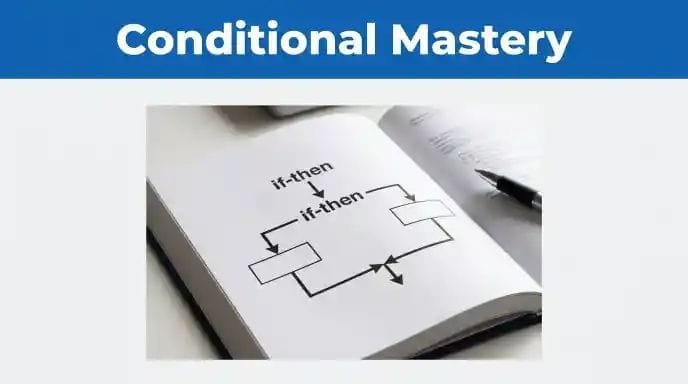
English Conditionals: Zero to Third With Exam Practice

Mastering conditional sentences can feel challenging because they require you to balance two distinct ideas: a condition and its result. However, once you learn how to identify the specific time reference, choosing the correct grammatical structure becomes much more straightforward. The four main English conditionals are used to describe objective facts, likely future events, unreal

English Conditionals: Zero to Third With Exam Practice Read More »

Punctuation Rules for Competitive Exams

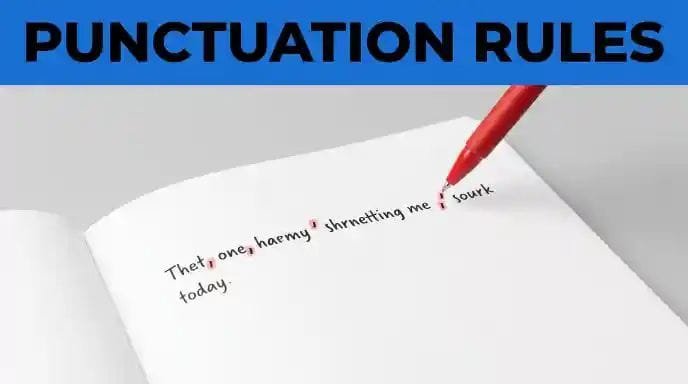
Punctuation Rules for Competitive Exams: 50 Practice Questions

A single misplaced comma can make an otherwise correct sentence wrong in a competitive exam. Understanding punctuation rules for competitive exams is essential, as these questions often look easy, yet they test whether you can spot small breaks in grammar, meaning and sentence structure under time pressure. Developing these skills is vital for success in

Punctuation Rules for Competitive Exams: 50 Practice Questions Read More »

Elegy Written in a Country Churchyard Summary and Analysis

Elegy Written in a Country Churchyard Summary and Analysis

Thomas Gray’s “Elegy Written in a Country Churchyard” still matters because it speaks to the same concerns students face when they study poetry, how meaning is built from language, memory, and tone. First published in 1751, and set in the churchyard at Stoke Poges, the poem reflects on death, remembrance, and the quiet worth of

Elegy Written in a Country Churchyard Summary and Analysis Read More »

Phrases and Clauses: Easy Differences With Clear Examples

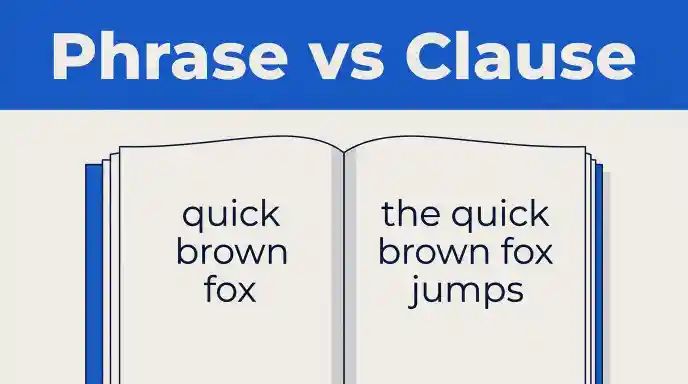
Phrases and Clauses: Easy Differences With Clear Examples

A sentence can appear complex because it contains several different groups of words. Yet, most grammar questions become much easier to manage once you can confidently spot the differences between phrases and clauses. The main difference is simple. A clause is built around a verb, while a phrase is not. However, longer sentences can contain

Phrases and Clauses: Easy Differences With Clear Examples Read More »

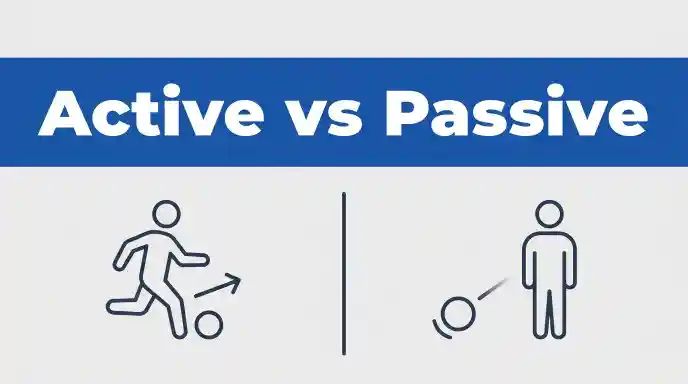
Active vs Passive Voice

Active vs Passive Voice Cheat Sheet: A Guide for Students

Active vs Passive Voice : Making the right grammar choice can provide your writing with much-needed clarity and directness. If you have ever compared “The boy kicked the ball” with “The ball was kicked by the boy,” you have already encountered the fundamental difference between active and passive voice. Students encounter this topic regularly in

Active vs Passive Voice Cheat Sheet: A Guide for Students Read More »

Scroll to Top